Long-term holding
Buying BTC and holding through market cycles. Simple to understand, but drawdowns can be severe and recovery is never guaranteed.
Bitcoin for complete beginners
Bitcoin has created real opportunities—and real losses. Understand what it is, why its price moves, how people buy and protect it, and which risks matter before putting money into the market.
Start here
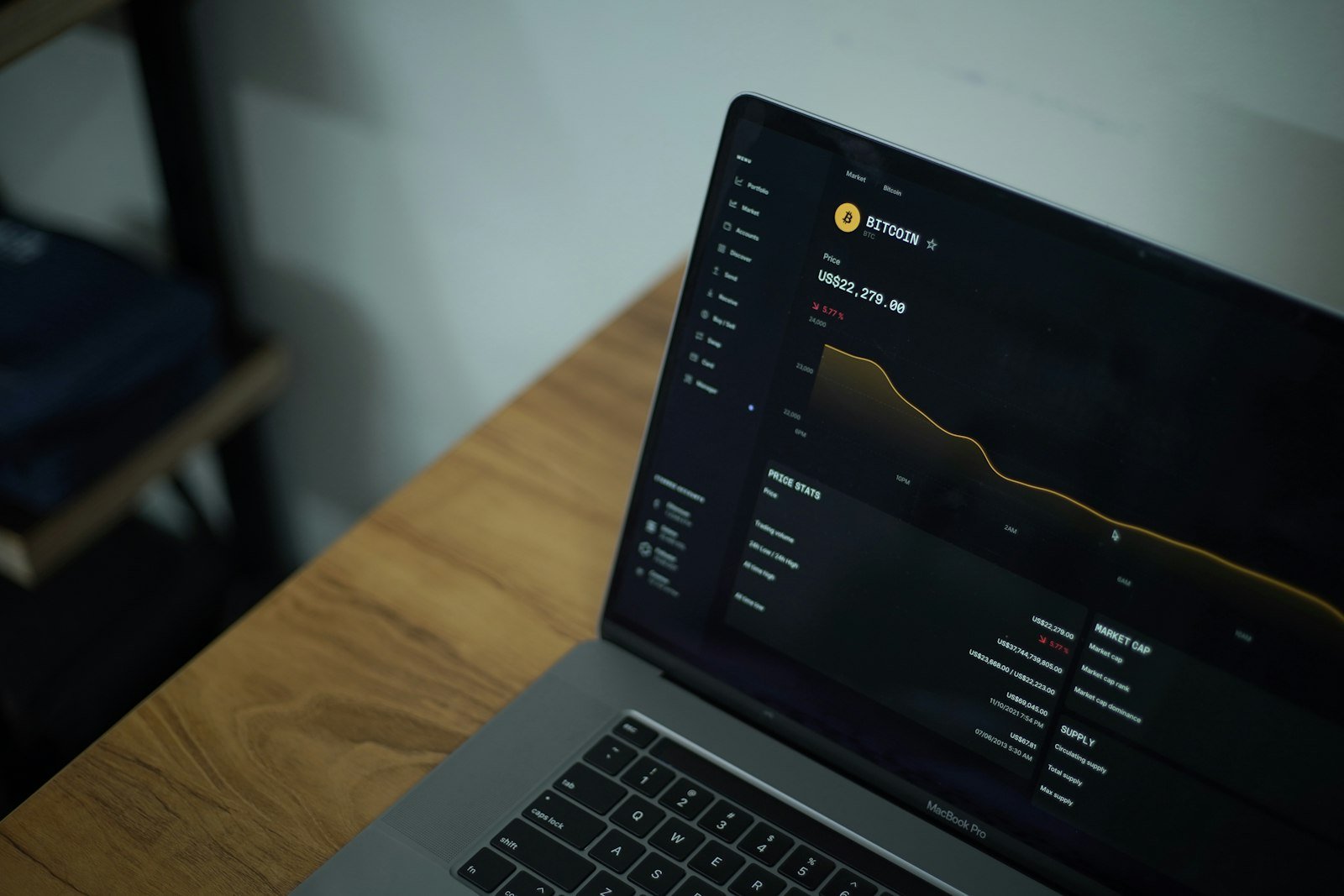
Bitcoin is a digital asset and payment network that lets people transfer value without asking a bank to update a central account. Transactions are recorded on a public blockchain and verified by computers running the network’s rules.
BTC is the network’s native asset. Its supply rules limit the eventual total to 21 million BTC, which is why many people describe it as digitally scarce. That scarcity can attract investors, but it does not guarantee that the market price will rise.
People use Bitcoin to hold value, send money, speculate on price changes, and learn about decentralized finance. Every use comes with trade-offs involving volatility, fees, regulation, custody, and security.
The wider market
Cryptocurrency is digital value transferred through blockchain networks. Bitcoin focuses on digital scarcity and settlement. Other assets—such as Ethereum, Solana, Cardano, and stablecoins—support applications, payments, trading, or other network functions.
Thousands of assets and applications have appeared, creating new use cases as well as dramatic price fluctuations.
Many networks allow users to transact directly without requiring a central bank to approve each transfer.
Digital signatures help prove ownership and authorize transactions, while network participants verify the rules.
On public blockchains, anyone can inspect transaction records even though wallet owners may use pseudonymous addresses.
Crypto can move across borders and networks without traditional settlement hours, though fees and speed vary by chain.
What a beginner course should teach
A structured cryptocurrency course can connect market opportunity with the technology and safety skills behind it.
Understand what Bitcoin, stablecoins, smart-contract platforms, and tokens are designed to do.
Learn how addresses, transactions, network fees, confirmations, and explorers work.
Compare custodial, software, and hardware wallets while learning how private keys are protected.
Review supply, leadership, security, use cases, liquidity, adoption, and major warning signs.
Understand why prices move, how position size changes risk, and why past returns prove nothing.
See how programmable blockchains support tokens, decentralized exchanges, lending, and applications.
Study order types, spreads, liquidity, transaction fees, exchange risk, and basic market discipline.
Learn how different networks confirm activity and reward participants who help secure them.
Making money with Bitcoin
There is no reliable shortcut or guaranteed return. People pursue profit in different ways, each requiring different skills, capital, and risk tolerance.
Buying BTC and holding through market cycles. Simple to understand, but drawdowns can be severe and recovery is never guaranteed.
Trying to benefit from shorter price moves. Fees, emotion, leverage, and poor timing cause many beginners to lose money.
Using specialized equipment to compete for Bitcoin rewards. Profit depends on hardware, energy costs, network difficulty, and BTC price.
Learning development, security, analysis, sales, or compliance to earn income from work rather than market speculation.
Do not invest money you need for rent, debt payments, emergencies, or near-term goals. Avoid anyone promising guaranteed returns, secret signals, or pressure to act immediately.
How to get started
Research and security should come before purchase size.
Compare Bitcoin with other asset categories. Review the project’s purpose, history, supply, leadership, security, adoption, and major risks.
Hot wallets are convenient and connected to the internet. Hardware wallets keep keys offline but require careful backup and recovery habits.
Compare exchange fees, payment methods, transaction limits, custody policies, and supported networks before funding an account.
Use reliable market data and historical context. Do not make decisions from a single influencer, headline, or short-term chart.
Define position size, maximum loss, fees, and exit conditions before acting. Avoid leverage until you fully understand liquidation risk.
A specialist can recommend the right sequence based on whether your goal is investing, trading, development, or a career.
Choose the right program
Best for learning cryptocurrency basics, evaluating investments, using wallets, or understanding blockchain terminology.
Ask about foundations →For learners who want a guided curriculum and a credential demonstrating focused crypto or fintech knowledge.
Build a certificate path →For managers applying digital assets, blockchain strategy, payments, regulation, or risk frameworks at work.
Plan an executive track →For careers requiring deeper computer science, security, finance, business, or software-development skills.
Map a career path →Careers using crypto knowledge
Crypto knowledge can support established professions across finance, cybersecurity, software, design, research, compliance, and sales.
Studies markets, investments, businesses, and risk to help organizations or clients make financial decisions.
Explore role →Protects wallets, exchanges, applications, smart contracts, infrastructure, and sensitive information.
Explore role →Builds interfaces, wallets, analytics products, decentralized applications, and protocol integrations.
Explore role →Supports clients, trading operations, compliance, sales, account management, or digital-asset products.
Explore role →Frequently asked questions
Education can help you avoid basic mistakes and evaluate risk, but it cannot guarantee profit. Bitcoin’s price is volatile, and you can lose some or all of the money invested.
A focused beginner course can cover the foundations in several weeks. Trading, development, security, or professional expertise requires deeper study and repeated practice.
The first terms can feel unfamiliar, but you do not need a finance or computer-science background to understand the basics. Technical subjects become easier when learned in the right sequence.
No. You can learn how the network, wallets, markets, and risks work without buying anything. Starting with education removes unnecessary pressure.
Wallet security is the best next step for most beginners. After that, compare Ethereum, Solana, stablecoins, decentralized applications, and market-risk concepts based on your goal.
Tell a specialist whether you want to invest more carefully, understand trading, build applications, or enter the industry.